
Learn what structured cabling is, how it works, what it includes, and who benefits from organized low-voltage infrastructure.
Key Takeaways
- Structured cabling is an organized low-voltage wiring backbone that connects a property's technology systems.
- It supports network, security, access control, audio/video, and smart-home devices through planned, labeled pathways.
- Organized, documented cabling is easier to troubleshoot, maintain, and expand than improvised wiring.
- Both residential and commercial properties benefit from a planned cabling foundation.
- Professional installation ensures clean routing, labeling, and a finish that respects the property's appearance.

Table of Contents
- 1.What Structured Cabling Means
- 2.What Structured Cabling Includes
- 3.How It Supports Security Systems
- 4.How It Supports AV and Smart-Home Technology
- 5.Who Benefits from Structured Cabling
- 6.Frequently Asked Questions
What Structured Cabling Means
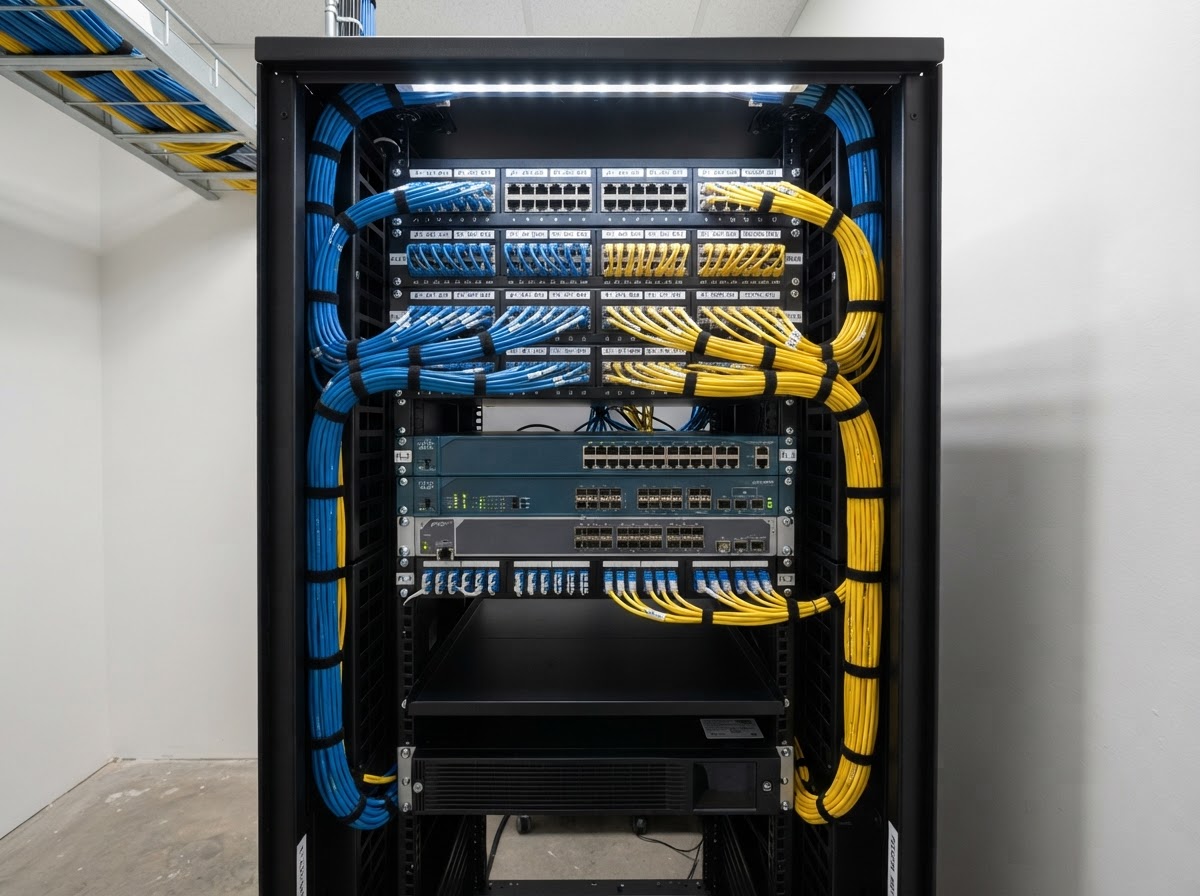
Structured cabling is the organized low-voltage wiring backbone that connects the technology systems inside a property. Instead of running individual, ad-hoc cables every time a new device is added, a structured approach plans pathways, terminations, and connections up front so every system shares a tidy, documented infrastructure.
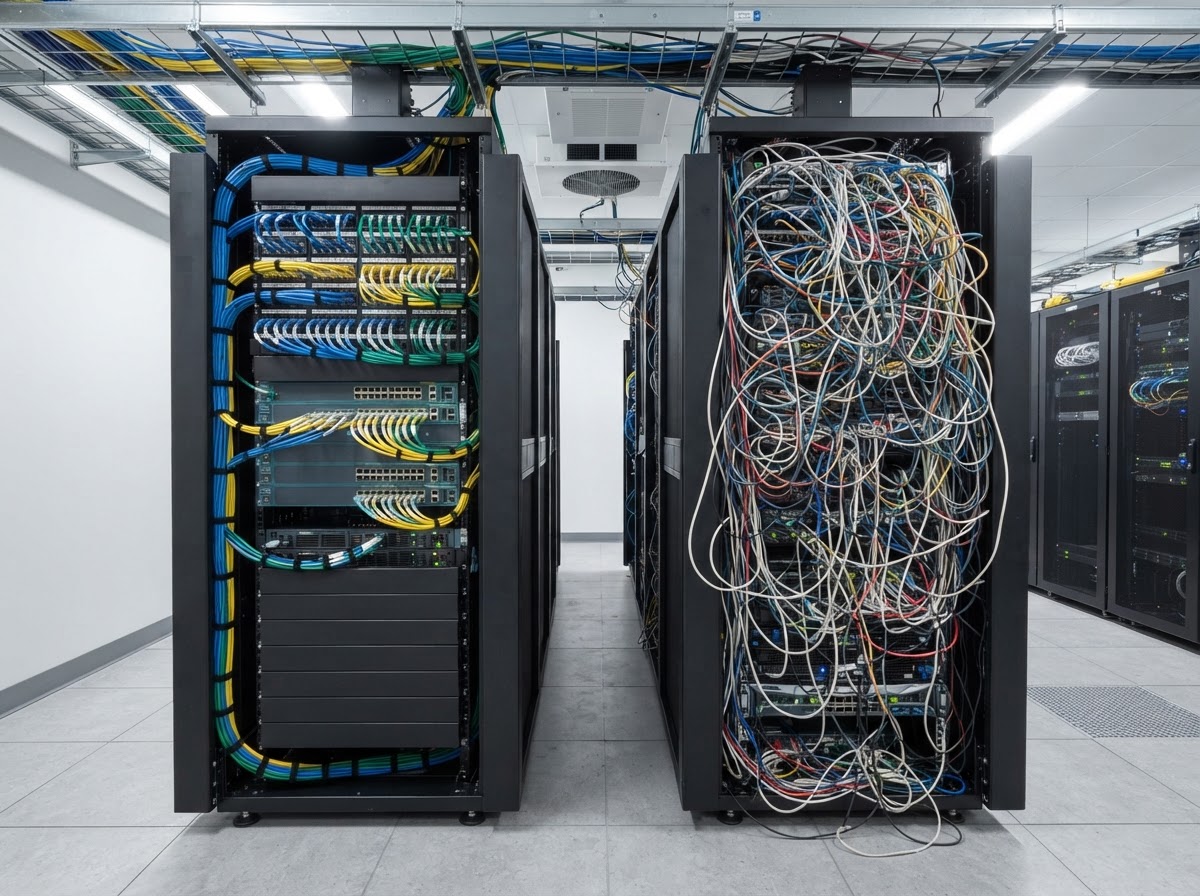
The result is an installation that is easier to understand, maintain, and expand. When every connection is labeled and routed cleanly, a technician can trace a line, add a device, or relocate equipment without guessing where cables go or disturbing finished walls.
What Structured Cabling Includes
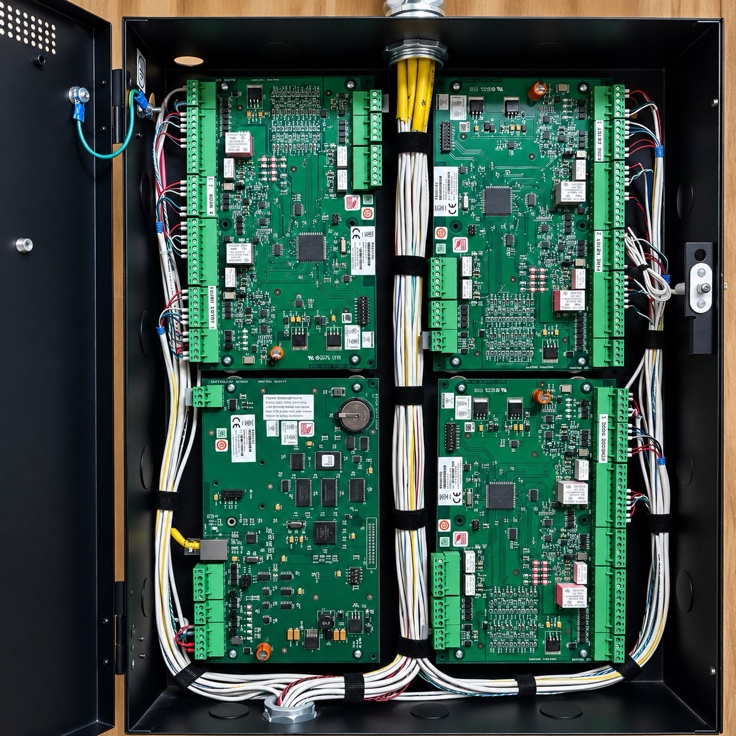
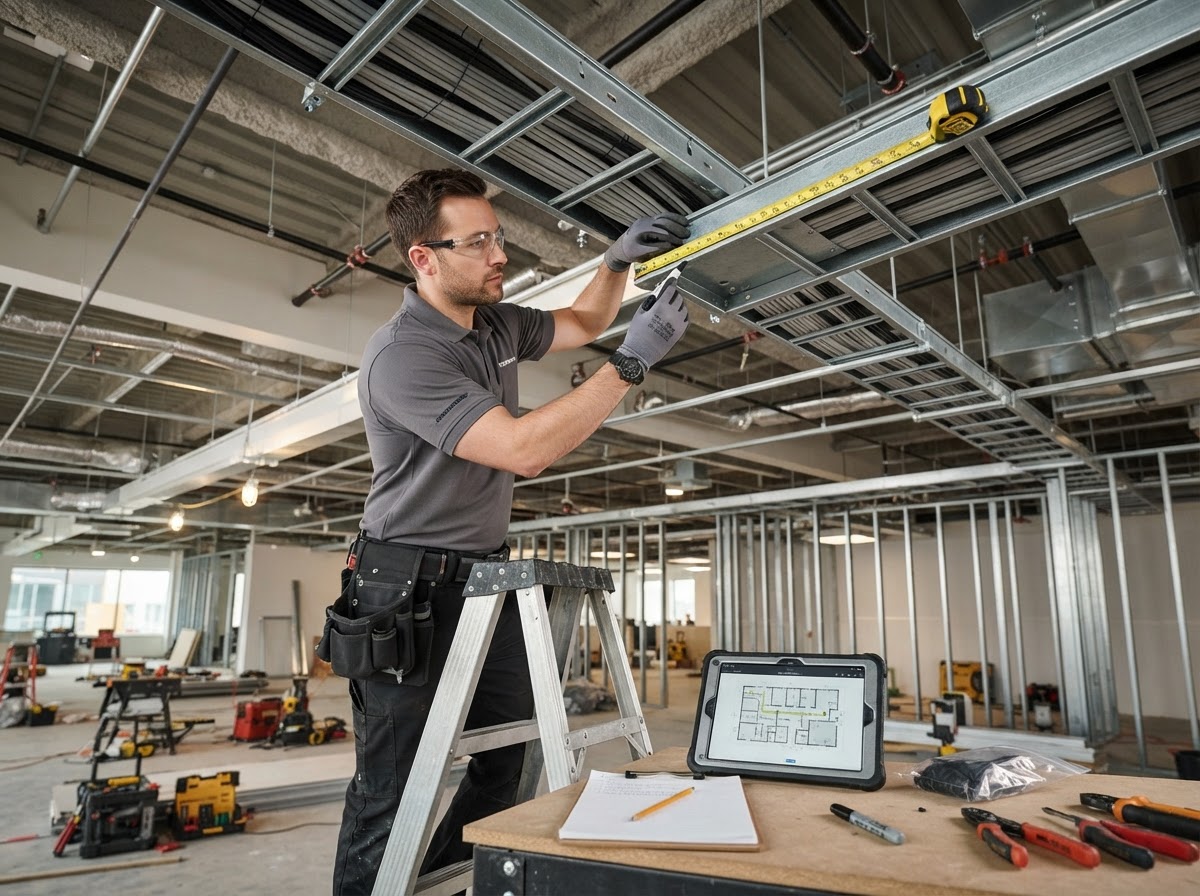
A structured cabling installation covers the planned pathways, terminations, and connections that link a property's devices. The scope is shaped by the systems you have and the technology you plan to add.
- Planned cable pathways through walls, ceilings, and raceways
- Termination points for network, security, access, and AV devices
- Labeled, organized connections that are easy to trace
- Concealed wiring that respects the property's appearance
- A foundation designed to support future system expansion
How It Supports Security Systems
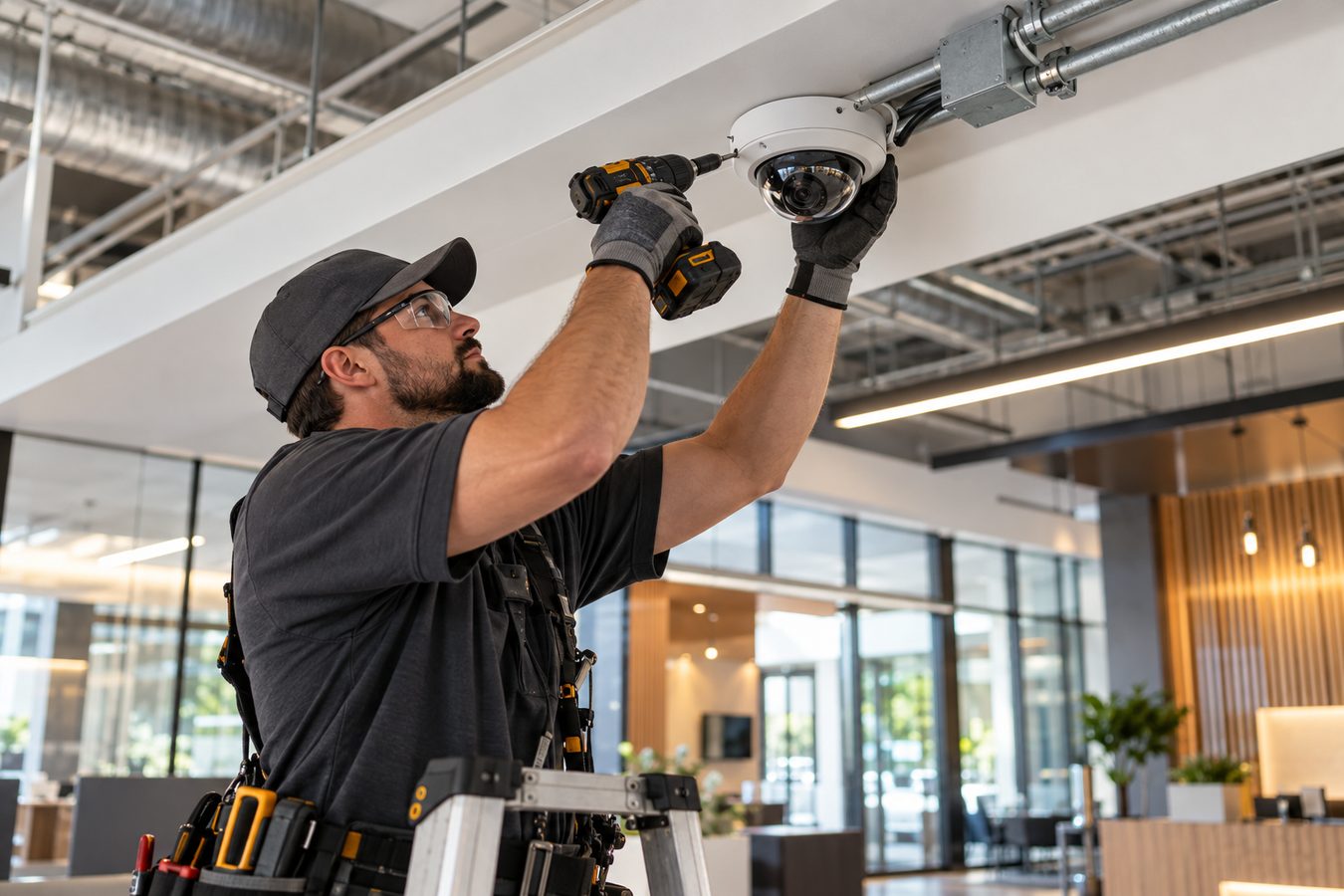
Security equipment depends on dependable connections. [[Security cameras|/services/security-camera-installation]] need stable links to recorders and the network; [[burglar alarms|/services/security-alarm-installation]] need reliable wiring to sensors and keypads; [[access control|/services/access-control-systems]] readers need clean runs to controllers and power. Structured cabling gives each of these systems a planned, organized path.
Planning the cabling for security up front also means the system can grow. Adding a camera at a new entrance or a reader on an additional door becomes a matter of extending an existing, documented pathway rather than running a brand-new cable across the property.
How It Supports AV and Smart-Home Technology
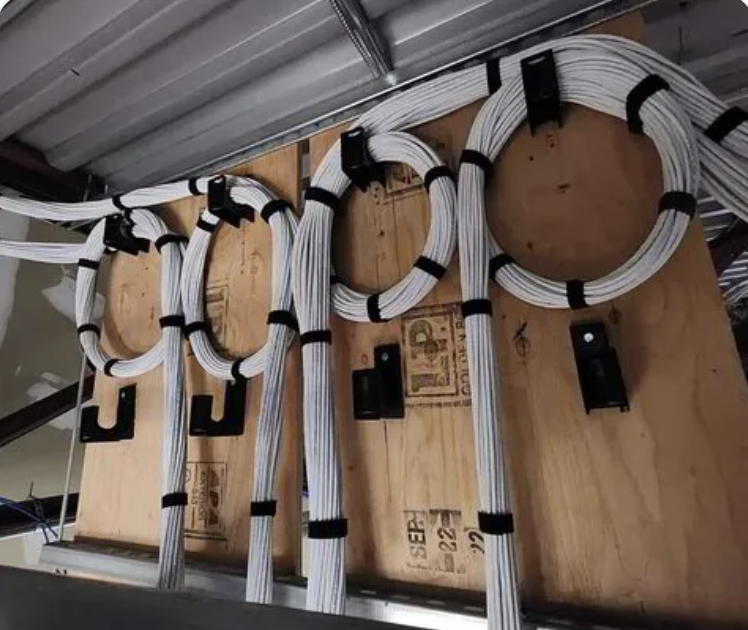
Audio/video and smart-home systems are only as reliable as the connections behind them. [[Multi-room audio|/services/audio-video-solutions]], home-theater equipment, and distributed video all benefit from organized cabling that delivers clean signal paths. Likewise, [[smart-home automation|/services/home-automation-smart-home]] controllers and connected devices depend on a stable network foundation.
Structured cabling keeps these connections tidy and labeled, so a remodel, a new speaker zone, or an added smart device integrates into the existing infrastructure without re-wiring the whole property.
Who Benefits from Structured Cabling
Homes benefit during new construction, remodels, and technology upgrades—keeping wiring concealed, organized, and ready for the systems a household uses now and may add later. Businesses rely on organized infrastructure to keep network, security, access, and AV systems running and to simplify moves, adds, and changes as the operation grows.
Any property that runs multiple connected systems—cameras, readers, speakers, displays, and smart devices—benefits from a cabling foundation that is planned, documented, and ready to expand.
Planning cabling for your home or business? V Power Solutions can design organized low-voltage infrastructure that supports your security, access, AV, and smart-home systems.
Request a Free ConsultationFrequently Asked Questions
Q.What is structured cabling?+
Q.What does structured cabling include?+
Q.Can structured cabling support security systems?+
Q.Is structured cabling for homes or businesses?+
Q.Why is structured cabling better than improvised wiring?+
Q.Can structured cabling help with future technology upgrades?+
Related Services
Related Articles
Protect and Connect Your Property
Request a free consultation with V Power Solutions. Call us, message on WhatsApp, or complete the contact form.
This article is for general informational purposes only and does not constitute professional advice. Product availability, features, and specifications may change. Contact V Power Solutions for current information about your specific project.


