
Compare wired and wireless alarm systems on reliability, installation, cost, flexibility, and maintenance to choose the right option for your property.
Key Takeaways
- Wired systems offer maximum reliability and no battery replacements but require more installation work.
- Wireless systems are faster to install, easier to expand, and ideal for existing homes.
- Wireless range and sensor battery life are the main considerations for wireless setups.
- New construction is the best time for a wired system; retrofits often favor wireless.
- A consultation determines the best fit based on your property and goals.

Table of Contents
- 1.How Wired and Wireless Alarms Differ
- 2.Reliability and Maintenance
- 3.Installation Complexity and Cost
- 4.Flexibility and Expansion
- 5.Which Is Right for Your Property?
- 6.Frequently Asked Questions
How Wired and Wireless Alarms Differ
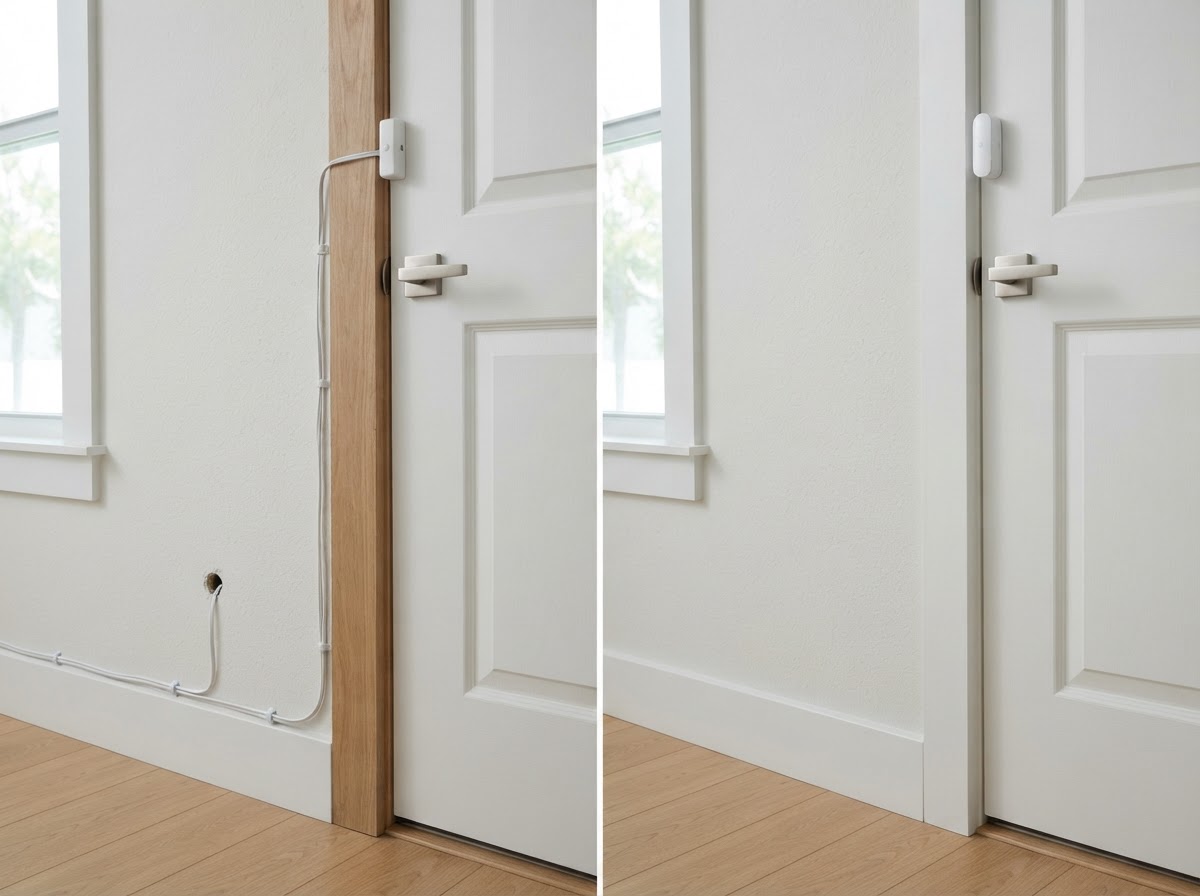
The difference is in how sensors communicate with the control panel. Wired systems use physical cables run through walls to each sensor. Wireless systems use encrypted radio signals, so sensors communicate without cabling.
This single difference shapes reliability, installation effort, cost, and flexibility. Neither is universally better—the right choice depends on your property type, construction stage, and priorities.
Reliability and Maintenance
Wired systems have an edge in raw reliability. With no batteries to die and no radio interference to worry about, a wired sensor stays connected as long as the cable is intact. This makes wired systems popular for large commercial properties where long-term stability matters.
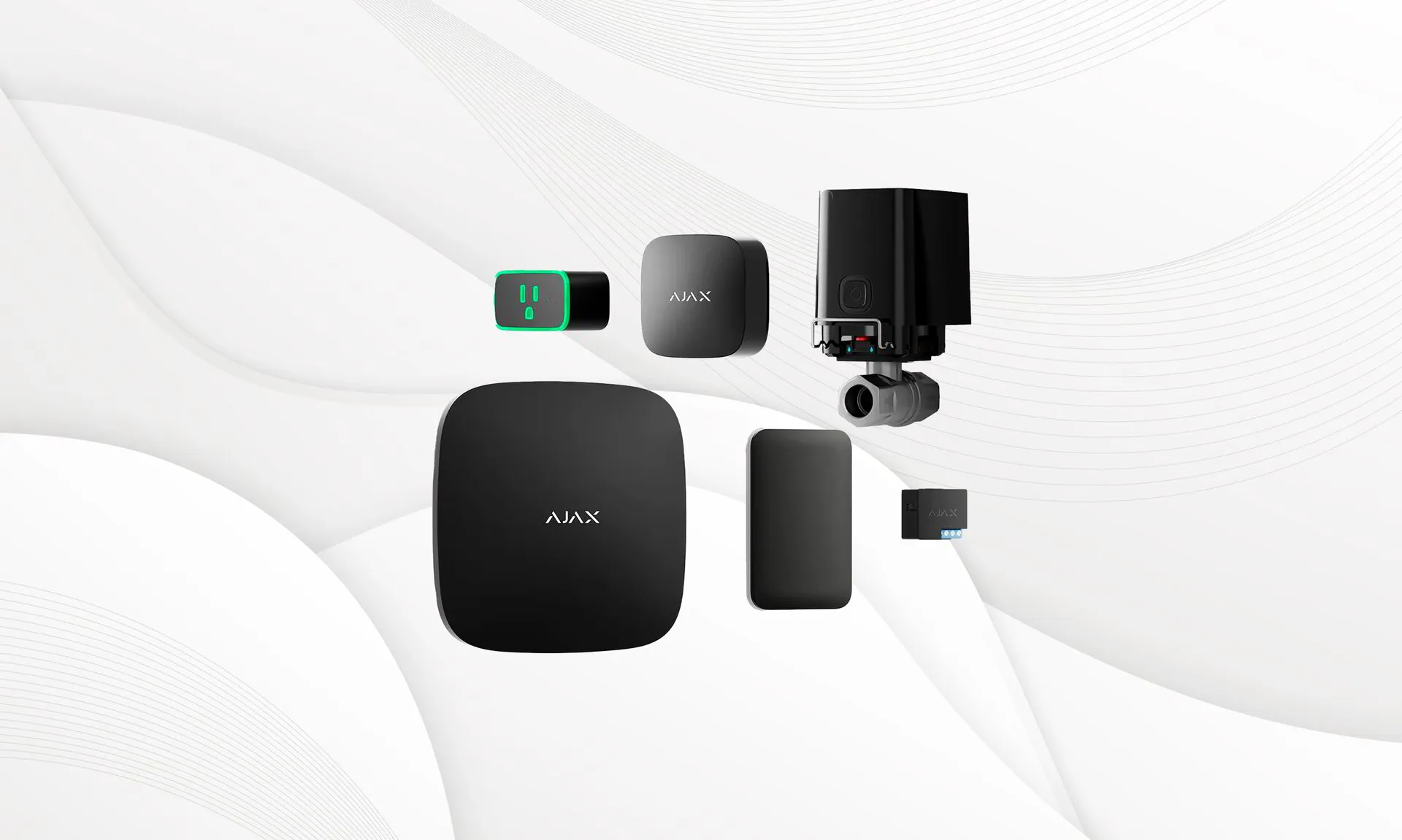
Wireless systems are highly reliable today, with encrypted signals that resist interference. The main maintenance item is battery replacement—wireless sensors alert you when a battery is low, typically after several years. For most homes, this minor maintenance is worth the installation convenience.
Installation Complexity and Cost
Wired systems require running cable to every sensor, which means opening walls or using existing conduit. This is most practical during new construction or a major renovation. The labor is higher, but the long-term maintenance is lower.
Wireless systems install quickly with minimal disruption. Sensors mount with screws or adhesive, and the control panel pairs with them wirelessly. For existing homes and businesses where opening walls is not desirable, wireless is usually the practical choice.
Flexibility and Expansion
Wireless systems win on flexibility. Adding a sensor later—say, for a new door or a renovated room—is as simple as mounting it and pairing it with the panel. Moving sensors if your layout changes is equally easy.
Wired systems are harder to expand because each new sensor needs a cable run. If you anticipate significant changes to your property, wireless gives you room to adapt without rewiring.
Which Is Right for Your Property?
For new construction or major renovations, a wired system offers the best long-term reliability and is worth the installation effort. For existing homes and businesses, wireless is usually the better choice for its speed, low disruption, and flexibility.
Many properties benefit from a hybrid approach—wired for key sensors like the main control panel and siren, wireless for the rest. V Power Solutions recommends the best configuration after assessing your property and discussing your goals.
Choosing between wired and wireless alarms? V Power Solutions can assess your property and recommend the most reliable option for your needs.
Request a Free ConsultationFrequently Asked Questions
Q.Are wireless alarm systems reliable?+
Q.Which is better, wired or wireless?+
Q.Do wireless sensors need batteries?+
Q.Can I add sensors later to a wireless system?+
Q.Is a wired system worth it for a home?+
Related Services
Related Articles
Burglar Alarm Installation
What Is Professional Burglar Alarm Installation? A Guide for Florida Properties
Burglar Alarm Installation
How to Set Up and Use a Burglar Alarm System: From Consultation to Daily Use
Security Camera Installation
What Is Security Camera Installation? A Complete Guide for Florida Homes and Businesses
Protect and Connect Your Property
Request a free consultation with V Power Solutions. Call us, message on WhatsApp, or complete the contact form.
This article is for general informational purposes only and does not constitute professional advice. Product availability, features, and specifications may change. Contact V Power Solutions for current information about your specific project.


